
Who is this page for?
This page is for older people, their families, carers and anyone looking to reduce their risk of falling.
About falls
Falls can happen at any age, but they become more common as we get older. People aged 65 and over, and adults aged 50 to 64 with certain long-term health conditions, may have a higher risk of falling.
Many falls can be prevented. Small changes to your lifestyle, home environment and daily routine can reduce your risk of falls and help you stay active and independent for longer.
Understanding your risk of falling
Many falls happen because of a combination of factors rather than a single cause.
Your risk may be higher if you:
- have poor balance or muscle weakness
- have arthritis, Parkinson's disease, stroke, diabetes or dementia
- experience dizziness or low blood pressure
- take medicines that affect your balance or alertness
- have changes to your vision or hearing
- have hazards in your home, such as loose rugs or poor lighting
- drink alcohol above recommended limits.
If you have had a fall, feel unsteady or are worried about your balance, speak to your GP or another healthcare professional.
Ways to help prevent falls
There are several things you can do to reduce your risk.
Stay active and improve your strength and balance
Regular physical activity is one of the most effective ways to reduce your risk of falling.
Activities that improve strength and balance can help you:
- improve balance and coordination
- increase muscle strength
- improve confidence
- make everyday activities easier
- maintain your independence.
Find out more about
Make your home safer
Many falls happen in and around the home, but simple changes can make a big difference.
You can reduce your risk by:
- removing clutter from walkways and stairs
- securing loose rugs and mats
- improving lighting throughout your home
- cleaning up spills promptly
- fitting handrails and grab rails where needed
- wearing supportive, non-slip footwear indoors and outdoors.
Home Safety Check Scheme
The Home Safety Check Scheme helps people identify common hazards around the home that may increase the risk of slips, trips and falls.
The checklist covers:
- stairs
- bathrooms
- kitchens
- living areas and bedrooms
- outdoor areas
- everyday safety around the home.
Download the Home Safety Checklist and Home Safety Leaflet to help make your home safer.
For more information, visit Staying safe at home | HSC Public Health Agency.
Look after your health
Looking after your overall health can also help reduce your risk.
This includes:
- having regular health checks
- having regular medication reviews
- attending regular eye and hearing tests
- looking after your feet and wearing supportive footwear
- eating a healthy, balanced diet
- staying well hydrated
- getting enough vitamin D
- keeping your bones healthy.
If you notice changes to your balance, mobility or confidence, speak to your GP or healthcare professional.
Worried about falling?
If you have fallen recently, feel unsteady or are becoming less confident when walking, don't ignore it.
Early advice and support can help identify possible causes, reduce your risk of future falls and help you stay independent.
Seek advice from your:
- GP
- pharmacist
- nurse
- physiotherapist
- other healthcare professional.
Find help and support on How to reduce falls | nidirect page.
What to do if you have a fall?
If you have fallen, or are worried about falling again, speak to your GP or another healthcare professional. They can help identify anything that may be increasing your risk of another fall and advise you about appropriate support. Being prepared can help you get assistance quickly if you fall, particularly if you live alone.
Call 999 immediately if someone has fallen and has injured their head, neck, back or hip, or if they cannot get up safely.
Find out more about Falls on nidirect.
Falls prevention resources
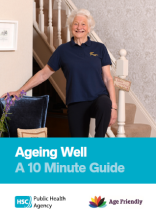
A guide on healthy ageing, including staying active, eating well, supporting mental wellbeing, preventing falls, keeping your home safe, understanding dementia, accessing help to live well.
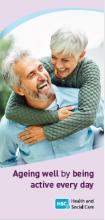
This leaflet provides guidance to older adults on the amount of physical activity they should be aiming for and the health benefits associated with staying active.
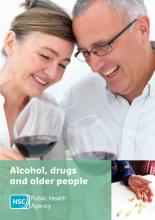
This booklet is for older people (defined as those aged 55 or over) who are worried about their use of alcohol, illegal drugs or prescribed/over-the-counter medications.
How the Public Health Agency helps
The Public Health Agency works with Health and Social Care Trusts and partner organisations to help prevent falls and promote safer mobility across Northern Ireland.
This includes
- developing public information and resources,
- supporting the Home Safety Check Scheme,
- promoting strength and balance activities,
- encouraging people to take simple steps to stay active, safe and independent.
Information for professionals
- Frailty Network | Frailty Network
- PHA Safer Mobility Steering Group Service User & Carer opportunity. - Engage
- Falls in care home settings | HSC Public Health Agency
- Falls in hospital settings | HSC Public Health Agency
- Falls: assessment and prevention in older people and in people 50 and over at higher risk | Guidance | NICE
- Falls portal | British Geriatrics Society
- National Falls Prevention Resource Center for Professionals