
RSV infections often lead to mild cold-like symptoms, but in some cases, especially in infants and individuals with compromised immune systems, it can cause severe respiratory issues.
RSV is a leading cause of bronchiolitis (inflammation of the small airways in the lungs) and pneumonia in children under the age of one.
Symptoms:
Symptoms include coughing, wheezing, runny nose, fever, and difficulty breathing. The virus spreads through respiratory droplets, making it easily transmissible, especially in crowded settings.
While most RSV infections result in mild illnesses, severe cases can lead to hospitalisation, especially in vulnerable populations.
Prevention:
Public health measures such as hand hygiene, avoiding close contact with sick individuals, and maintaining a clean environment are essential to reduce the spread of RSV. As a common cause of respiratory illness, RSV continues to be an important area of public health focus, aiming to improve prevention, diagnosis, and treatment strategies for individuals of all ages.
Key resources
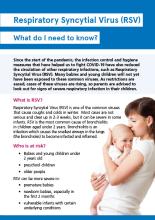
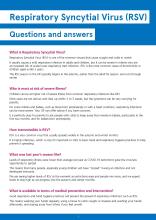
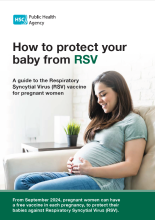
From September 2024, pregnant women can get vaccinated to help protect their babies from Respiratory Syncytial Virus (RSV), a virus that affects the lungs and can be very serious for young babies.
Women will be offered the vaccine at their antenatal appointment around 28 weeks.
A large print accessible Word version of this leaflet is available below.
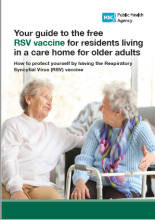
This leaflet is for people living in a care home for older adults who will be offered the RSV vaccine to protect them against Respiratory Syncitial Virus, an infectious disease of the lungs and airways that can be serious for older adults.
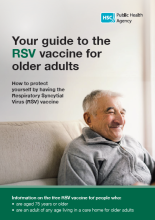
This information leaflet describes how you can help protect yourself from respiratory syncytial virus (RSV) by having the vaccine if you are eligible.
Vaccination
- Respiratory Syncytial Virus (RSV) vaccination programme launches in Northern Ireland | HSC Public Health Agency
- How to protect your baby from RSV - a guide to RSV vaccine for pregnant women
- Your guide to the RSV vaccine for older adults | HSC Public Health Agency
- Schedule of antenatal appointments and recommended vaccinations | HSC Public Health Agency
- Vaccine preventable diseases and immunisation programmes | HSC Public Health Agency