Planning your pregnancy can help give you and your baby the best possible start. Find out how to prepare for pregnancy, including taking folic acid, looking after your health, checking medicines and vaccinations, and getting support if you need it.
Think about the lifestyle factors that might affect your ability to get pregnant and have a healthy pregnancy. This applies to men too. You are more likely to get pregnant if you are both in good health.
Who is this page for?
This page is for anyone planning a pregnancy or thinking about having a baby, and their partner.
Preparing for pregnancy
Your health and wellbeing before pregnancy can affect your chances of becoming pregnant and having a healthy pregnancy.
If you are planning a pregnancy, there are some things you and your partner can do to prepare.
Contraception and planning a pregnancy
A lot of women will come to get implants and coils removed in order to plan a pregnancy. You should consider commencing folic acid prior to getting your contraceptive device removed.
There are no long term effects on fertility with contraceptive pills, coils or implants and most women return to a regular menstrual cycle in 4-6 weeks.
Take folic acid
If you could become pregnant, you should take 400 micrograms (mcg) of folic acid daily, ideally starting three months before pregnancy and continuing until the end of the first 12 weeks of pregnancy.
Some people need higher doses of folic acid. Speak to your GP if you have health condition, take certain medications or think you may need a higher dose.
If you become pregnant unexpectedly and have not been taking folic acid, start taking it as soon as you find out.
For more information, visit: Folic acid – one of life’s essentials | HSC Public Health Agency (hscni.net)
Look after your health before pregnancy
Before trying for a baby, think about your overall health and lifestyle. This includes:
- eating a healthy, balanced diet
- being physically active
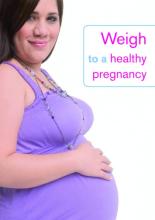
- working towards a healthy weight
- stopping smoking
- avoiding alcohol when trying to become pregnant
- looking after your mental and emotional wellbeing
Eat a healthy, balanced diet and take regular physical activity
You should also try to follow a healthy, balanced diet by trying to eat
- plenty of fruit and vegetables (this can include fresh, frozen, tinned, dried produce, or a glass of juice) – aim for at least five portions a day
- plenty of starchy foods such as bread, pasta, rice and potatoes (choose wholegrain options where you can)
- protein-rich food such as lean meat, chicken, fish, eggs and pulses (beans and lentils)
- dairy foods such as milk, cheese and yoghurt, which contain calcium
You should try to avoid:
- processed foods and foods that are high in fats and sugar
- sugary snacks and drinks
It is important to take regular, moderate exercise so that your body is in good shape for pregnancy and you have plenty of energy and stamina for labour and caring for a baby.
Be a healthy weight and physically active
The range of healthy weight is defined by the body mass index (BMI). A healthy weight is a BMI of between 20 and 25.
It can take longer to get pregnant if you are underweight (your BMI is under 19) or you have obesity (your BMI is 30 or above). If you are underweight or overweight and/or you have irregular or no periods, reaching a healthy weight will help your ovaries to start working again. Men who have a BMI of 30 or above are likely to have reduced fertility.
If you need help to get to a healthy weight, visit www.choosetolivebetter.com or speak to your doctor or pharmacist.
Smoking
If you or your partner smoke, get advice about stopping. Smoking significantly lowers your chances of getting pregnant, increases your chance of miscarriage and, if you continue to smoke during pregnancy, may harm your baby. Protecting your baby from cigarette smoke is one of the best things you can do to give your child the best start in life.
You are up to 4 times more likely to stop smoking successfully with support. Visit www.stopsmokingni.info for further information on the specialist stop smoking services that are easily available across Northern Ireland. These free stop smoking services provide nicotine replacement therapy (NRT) and are run by specially trained staff who can advise you on the best way to manage your cravings and become smoke free. Services are offered in many GP practices, community pharmacies, Trust premises and community and voluntary organisations.
Alcohol
If you are planning a pregnancy, the safest approach is not to drink alcohol at all. Drinking even moderate amounts of alcohol can harm your chances of conceiving. This applies to both men and women, so if you are having trouble conceiving, you should cut out alcohol completely and see if this helps. Drinking alcohol in pregnancy can lead to long term harm to your baby, the more you drink the greater the risk to your baby’s physical and mental development. For men, your fertility is unlikely to be affected if your alcohol intake is within the recommended limit of 14 units of alcohol per week. Drinking too much alcohol can affect semen quality.
For help to cut down, talk to your healthcare professional or visit www.drugsandalcoholni.info
Illegal drugs
Using recreational drugs like cannabis, ecstasy, cocaine, heroin and anabolic steroids can interfere with your fertility and damage a developing baby. Talk to your healthcare professional for help and advice.
Relationships
Relationship abuse happens when someone you're in a relationship with hurts or exploits you. You can be in an abusive relationship without being aware of it when you experience physical, sexual, emotional or financial abuse.
If you are in an abusive relationship, seek help by contacting Women's Aid 24 Hour Domestic & Sexual Violence at www.womensaidni.org or call 0808 802 1414
Medicines and health conditions
If you take prescribed or over-the-counter medicines, including herbal medicines, speak to your GP, pharmacist or specialist before trying for a baby. Your doctor will advise you whether you can safely continue to take your medication or whether it should be changed to an alternative or stopped. Never stop taking your medication without speaking to your doctor.
Women with diabetes, epilepsy, mental health problems or other ongoing health problems
If you have an existing health condition, such as diabetes, epilepsy, a family history of any inherited diseases or mental health condition, talk to your GP or specialist about getting pregnant. It is important that your condition is best controlled before you try to get pregnant.
If you’re taking a medication for a condition, don’t stop taking it without consulting your doctor.
Sexual health and STIs
Some sexually transmitted infections (STIs) can affect pregnancy or be passed on to your baby, so make sure you have both been treated for any infections before planning to conceive. If you think you may be at risk of an STI, testing and support are available. Seek medical advice and visit www.sexualhealthni.info for more information.
Vaccinations and infections
Check that your vaccinations are up to date before becoming pregnant. Some infections, including rubella (German measles) can cause serious problems during pregnancy.
If you are unsure whether you have had two doses of the MMR vaccine, speak to your GP. You should avoid becoming pregnant for one month after receiving an MMR vaccination.
Find out about vaccinations before and during pregnancy on Vaccination and immunisation pages.
Download our resources
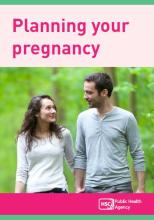
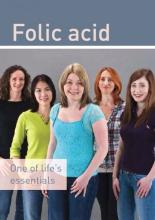
This leaflet for women of child-bearing age explains what folate and folic acid are, why they are important and how to get enough.
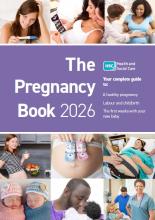
This book provides information on many aspects of pregnancy and a list of useful organisations. It is available to expectant mothers resident in Northern Ireland through primary care services (antenatal clinics, GPs or health visitors).
How the Public Health Agency helps
The PHA provides trusted information and resources to help people prepare for pregnancy and make informed choices about their health and wellbeing before and during pregnancy.