Find out more
on NI Infection Control Manual website.
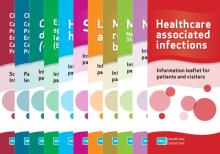
This page is for anyone looking for information about HCAIs, including patients, carers and health and care professionals.
HCAIs are infections that can develop as a result of receiving healthcare. Infection prevention and control measures help reduce the risk of infections spreading in healthcare and care settings.
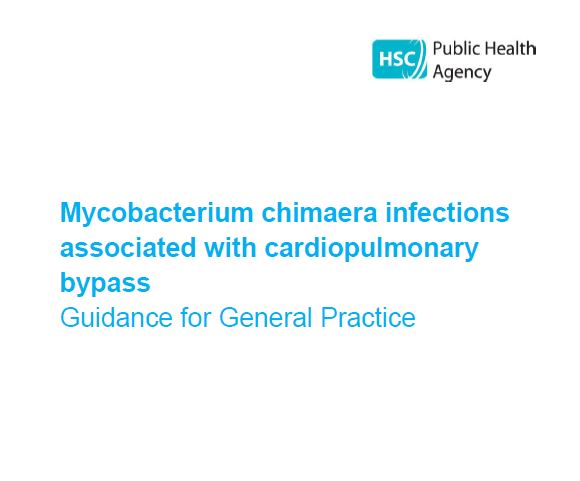
Clostridioides difficile (also known as Clostridium difficile, C. difficile or C. diff) is a bacterium (germ) that can infect the bowel and cause diarrhoea. It is also known as C. difficile or C. diff. The infection most commonly affects people who have recently been treated with antibiotics and can spread by spores found within faeces. Infections can occur where many people take antibiotics and are in close contact with each other, such as hospitals and care homes.
Staphylococcus aureus (S. aureus) is a round shaped bacterium which commonly colonises the nose, respiratory tract, gut mucosa and the skin usually without causing any problems. It can also cause disease, particularly if there is an opportunity for the bacteria to enter the body, for example through broken skin or a medical procedure (including operations and intravenous lines). If these bacteria enter the body, illnesses which range from mild to life threatening may develop.
Surgical site infections (SSIs)
Monitoring of SSIs is important for patient health (prevention and early intervention) and cost containment associated with hospital stay and treatments. The integration of SSI surveillance with strategic planning and continuous quality improvement systems aims to facilitate infection prevention within hospitals.
Device-associated infections (DAIs)
In conjunction with the mandatory surveillance of orthopaedic and caesarean section related SSIs, the SSI team also produce a monthly mandatory report for device-associated infections (DAIs) that outlines the rolling average from critical care units in hospitals across Northern Ireland. This report provides information on adult critical care units involving patients who lines in place such as:
The Northern Ireland Regional Infection Prevention and Control Manual provides current guidance on preventing and controlling infection across health and social care settings.
on NI Infection Control Manual website.
PHA monitors HCAIs to understand infection levels and trends and support infection prevention and control.
Healthcare associated infections (HCAIs) data | HSC Public Health Agency