
Latest data show that 25.3% of Primary 1 children in Northern Ireland are living with overweight or obesity, compared with 22.1% in England and 22.3% in Scotland. By Year 8, the figure rises to 27%, with children living in more deprived communities disproportionately affected.
To mark Sugar Awareness Week 2026 (9-15 November), the Public Health Agency (PHA) is encouraging families to become more aware of the hidden sugars found in many everyday foods and drinks, including products often marketed towards children.
Dr Hannah McCourt, Health Improvement Manager at the PHA, said: "When people think about sugar, sweets, chocolate and fizzy drinks often spring to mind. However, a lot of the sugar we eat comes from everyday foods such as breakfast cereals, flavoured yoghurts, snack bars, sauces and drinks – foods often perceived as ‘healthy’.
"Being aware of where sugar is hidden can help families make informed choices. Too much sugar can increase the risk of tooth decay, as well as overweight and obesity, and may contribute to serious health conditions later in life, including type 2 diabetes and heart disease. Reducing sugar intake can help protect children's health now while encouraging healthy habits that can last a lifetime."
The figures also highlight the impact of health inequalities on children's health. In 2024/25, the percentage of Primary 1 pupils affected by obesity in the most deprived areas was 73% higher than in the least deprived areas. Among Year 8 pupils, the gap was even greater at 87%
Many parents may be surprised to learn how quickly sugar can add up throughout the day.
It is recommended children aged 4 to 6 years should consume no more than 19g of sugar a day, while the recommended maximum is 24g for children aged 7 to 10 years and 30g for those aged 11 and over. These are maximum amounts, not targets.
However, some popular foods and drinks can account for a large proportion of a child's daily limit:
- 1‑tablespoon of tomato ketchup contains around 4g of sugar, which is equivalent to one whole sugar cube.
- A well-known orange juice pouch can contain more than 9g of sugar.
- A serving of frosted flakes cereal contains 12g of sugar per serving, which is half the daily maximum for a child aged 7-10 by breakfast time.
- A split-pot chocolate and vanilla yoghurt can contain 17g of sugar, almost a full day's recommended intake for a child aged 4-6.
The PHA is encouraging parents to check food labels, including front-of-pack traffic light labels, to compare products and choose options with less sugar where possible.
Parents can help reduce their children’s sugar intake by:
- Choosing water or milk over juice, squash or fizzy drinks.
- Choosing plain, shredded or wholegrain cereals rather than chocolate, frosted or honey-coated varieties.
- Swapping sweets, chocolate, biscuits and cakes for lower-sugar snacks.
- Including more fruit and vegetables in lunchboxes.
- Avoiding frequent sugary snacks between meals.
- Keeping high-sugar foods as occasional treats, choosing smaller portions and having them after a meal.
Hannah added: "We know it can be surprisingly easy for children to exceed their maximum daily amount of sugar, often without parents realising. Sugar can quickly add up across the day, particularly when it is hidden in foods and drinks that many families buy regularly.
"Parents don't need to make dramatic changes overnight. Small swaps, such as replacing sugary drinks with water, choosing lower-sugar yoghurts or checking labels before buying snacks, can make a real difference. Sugar Awareness Week is an opportunity for families to become more aware of hidden sugars and take simple steps towards healthier choices that can benefit their children's health now and in the future."
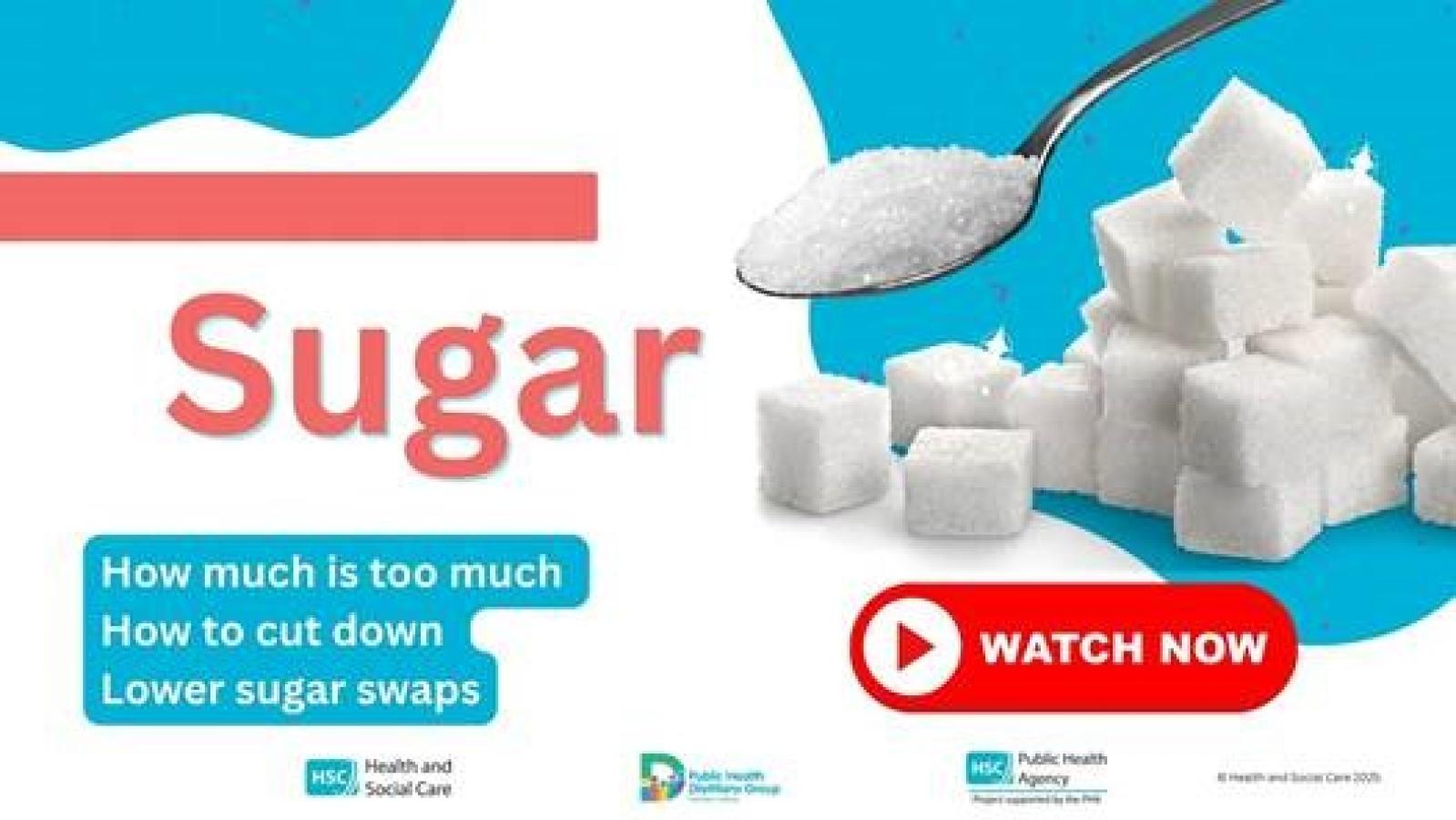
For more information on reducing sugar, visit the PHDG YouTube channel: www.youtube.com/watch?v=ADVwrUl8LoQ
For advice on healthy eating during the primary school years, watch: www.youtube.com/watch?v=aGtKYTbn1EM