The Public Health Agency (PHA) is encouraging everyone who is eligible for the Respiratory Syncytial Virus (RSV) vaccine to get it when invited. RSV is a common virus and highly infectious virus which affects the airways and lungs. The virus circulates all year round but cases typically peak during autumn and winter. It can make babies and older adults seriously ill and cause serious complications. The vaccine helps increase protection against the virus for those at risk.
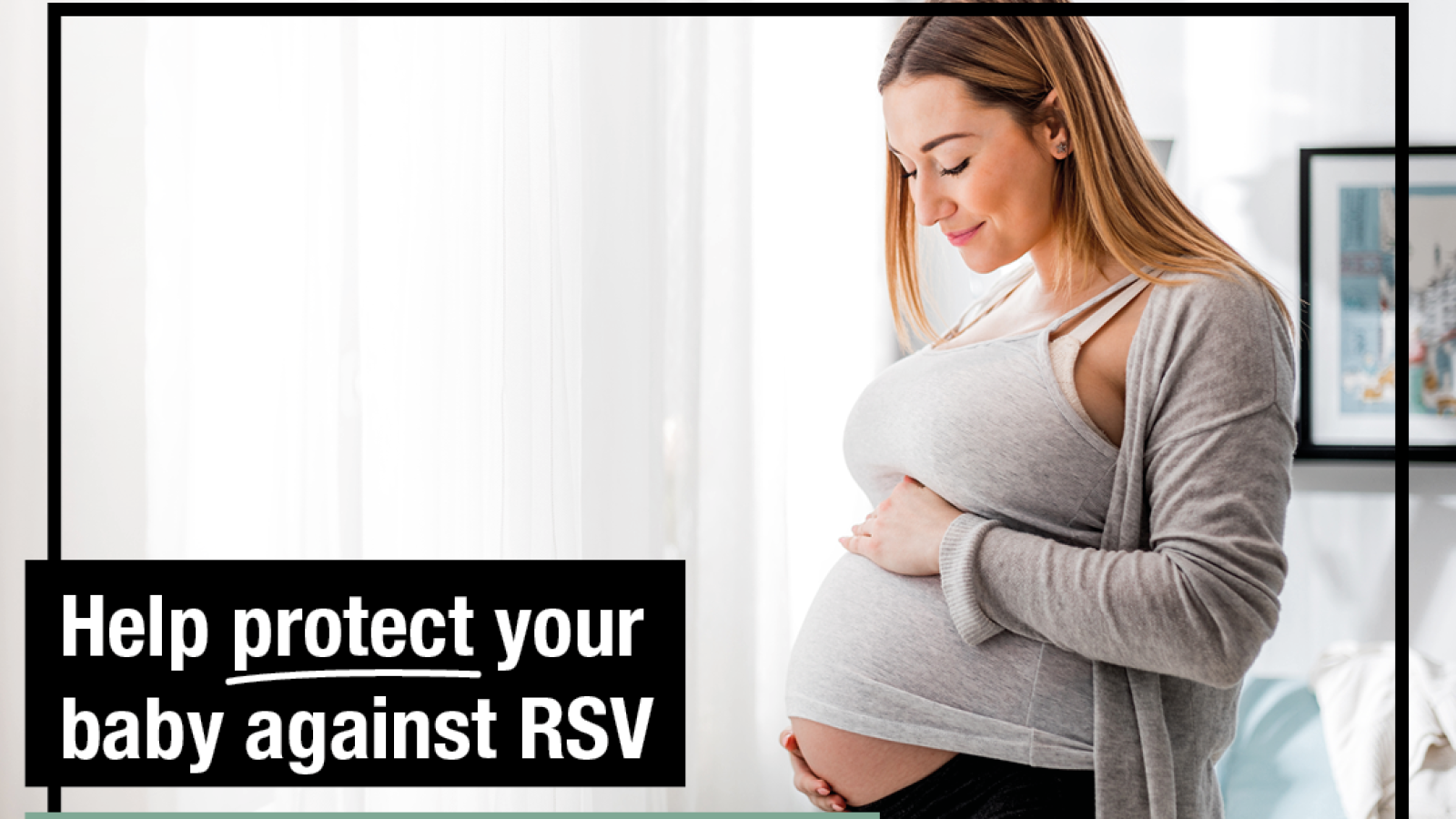
The RSV vaccination programme in Northern Ireland is available to all adults aged 75 years or older and to all residents in care homes for older adults, regardless of age. Pregnant women are also offered the RSV vaccine from 28 weeks of pregnancy, to provide protection to their babies from birth.
Rachel Spiers, Senior Commissioning Lead for Immunisations at the PHA, said: "RSV is a common and highly infectious respiratory virus that affects the breathing system, particularly in young children and older adults. RSV infections often lead to mild cold-like symptoms, but in some cases, especially in infants and individuals with compromised immune systems, it can cause severe respiratory issues such as bronchiolitis and pneumonia which often require hospitalisation.
“During the 2025/26 influenza season (September 2025 – May 2026), there were 715 episodes of RSV reported in infants under the age of one, with 207 episodes reported in people aged 75 and over. In the same year, 555 infants under the age of one and 139 people aged 75 and over were hospitalised due to RSV. This highlights the severity of disease the virus can cause and how important it is to help protect yourself if you are eligible.
“The good news is that we know that vaccination works. Recent research reports show that the RSV vaccine has over 80% effectiveness against infant RSV-related hospitalisation for newborn infants, including those born prematurely. Therefore, I would encourage everyone who becomes eligible for the RSV vaccine to come forward and get it as soon as they have been invited to do so. Older adults can get vaccinated at their GP practice. Pregnant women can access the RSV vaccine via their local HSC Trust maternity service or by speaking to their midwife. Care home residents will be offered the vaccine by a local HSC Trust vaccination team in their care home. If you’re eligible, getting vaccinated is the best and simplest thing you can do to help protect yourself or your baby from RSV.”
The RSV vaccine can be given alongside other vaccines where appropriate. It is important to remember that RSV, flu and COVID-19 are different viruses, and vaccination against one does not provide protection against the others. Therefore, it is important that you take up the offer of vaccination to help maximise protection against respiratory infections during the winter months.
Vaccination is being offered to:
- All adults aged 75 years and over
- All residents in care homes for older adults, regardless of age.
- Pregnant women, to help protect their babies after they are born, from 28 weeks pregnancy.
Older adults
All adults aged 75 years and over are eligible for vaccination. Those newly turning 75 this year should receive an invitation from their GP practice. The programme recently expanded in April 2026 to include those aged over 80 years (with no upper age limit). Once you become eligible, you remain eligible for life – so if you still need to catch up with your RSV vaccine, contact your GP practice. We urge everyone who is eligible to take up the offer promptly when contacted by their GP. Residents in care homes and those who are housebound will be offered vaccination from their local HSC Trust vaccination team.
Pregnant women
Pregnant women will be offered the vaccine from 28 weeks into their pregnancy. The timing of the vaccine offer will help protect their newborn babies from serious illness caused by an RSV infection. The RSV vaccine can be accessed via HSC Trusts – speak to your midwife for further information.
Rachel concluded: “The virus spreads through respiratory droplets, making it easily transmissible, especially in crowded settings. This vaccination programme will help protect those who are most at risk from getting an RSV infection.
“If you are eligible, I would strongly encourage you to get vaccinated to give yourself or your newborn the best protection from RSV and any potentially serious illness it can bring. The RSV programme operates on a year-round basis, so no matter what time of the year it is, it’s important to take up the offer of vaccination to ensure protection when cases may be at their highest.”
View information on the RSV vaccine at Respiratory Syncytial Virus (RSV) vaccine for older adults | nidirect and Respiratory Syncytial Virus (RSV) vaccine for pregnant women | nidirect