
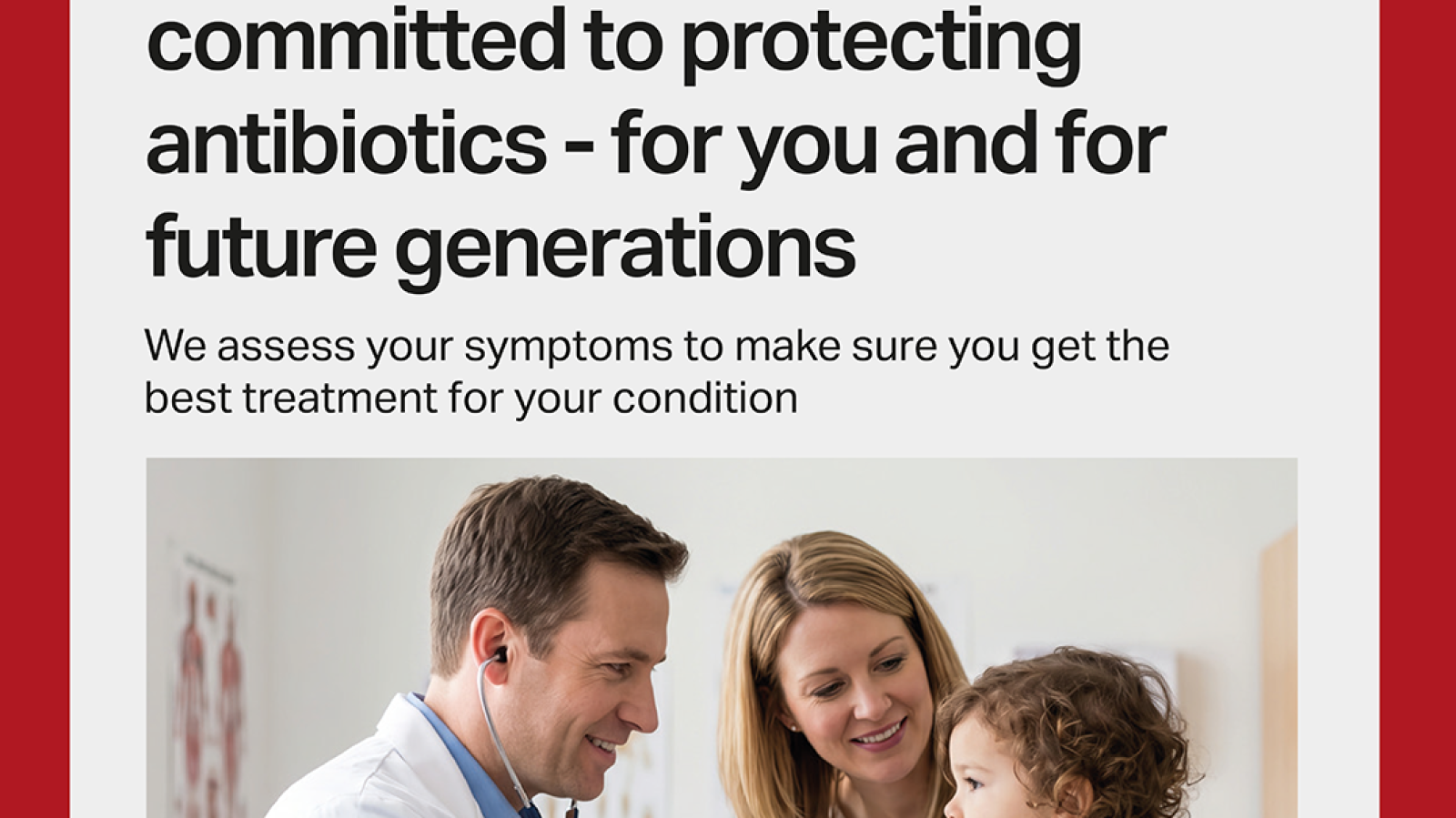
Bronagh McBrien, AMR Programme Manager at the PHA, said: “Antimicrobial resistance means antibiotics no longer treat all the bacterial infections they are needed for. We use more antibiotics than we need to and this overuse is making bacteria resistant.
“If we continue in this way, we could face a return to the days before antibiotics were available, when people died from minor infections and where the risk of infection made even simple surgery life threatening.
“Antibiotic resistance is something that affects everyone, so it’s important that we all play our part and take steps to help keep antibiotics working.”
WAAW 2026 shines a spotlight on the shared responsibility of governments, health professionals, veterinarians, environmental experts, farmers, researchers and communities to prevent AMR. Under the theme “One Health, one action: Prevent AMR now”, the campaign calls on everyone to do their part, recognising that the health of people, animals, plants, and the environment is closely connected, and that actions in one sector can affect them all.
Professor Cathy Harrison, Chief Pharmaceutical Officer at (DoH), said: “Everyone has a role to play in protecting antibiotics and their future depends on all of us acting together.
“Antibiotics do not work against viral infections such as colds and flu. Your local community pharmacist can provide advice and appropriate treatment to help you feel better, without the need for a GP appointment.
“If you are prescribed an antibiotic, follow the directions for use carefully and always remember to complete the full recommended course.
“Any unused antibiotics should be returned to a community pharmacy for safe disposal. Attempting to dispose of antibiotics at home can contribute to pharmaceutical pollution of our waterways and further antibiotic resistance.”
You can play an important role in limiting AMR by:
- Most simple infections clear up on their own. Ask you pharmacist about over-the-counter medicines to help you to manage symptoms.
- Take your doctor’s advice and don’t expect to receive antibiotics for minor ailments and common infections.
- If your doctor prescribes an antibiotic make sure you take it according to your doctor’s instructions.
- Return any unused antibiotics to your local pharmacy or your vet practice.
- Never share antibiotics with anyone else, including pets or don’t take antibiotics that haven’t been prescribed for you.
- Regularly washing your hands and keeping up to date with vaccinations to help prevent infections.
Hilary Glasgow, Veterinary Officer at DAERA, said: “As vets and animal owners we have a dual responsibility. We need to protect human health by taking measures to ensure AMR does not take a leap across species barriers, and we need to protect and preserve the future efficacy of treatment options for the animals in our care. In addition to all of this we need to protect our environment – soil, air and waterways from contamination, which can have long lasting effects and take generations to resolve. The animal health sector across the UK has made impressive progress to reduce Antimicrobial Sales with a 59% drop since 2014. However, I urge against complacency as there is still much to do and a real challenge in changing the culture – to make this global threat a real priority for both government and our citizens.”
Farmers can play their part in keeping antibiotics working by:
- Using antibiotics as little as possible – farms should be managed so that the risk of disease developing is minimised. Good husbandry practices such as good hygiene, well-ventilated sheds, access to clean water, good biosecurity controls and good farm health planning, including appropriate vaccination strategies, will all help to reduce the disease challenge.
- Using antibiotics only as much as necessary – when animals become ill, they should be treated. Antibiotics should be used only as prescribed by the farm’s veterinary surgeon.
- Pet owners can play a part in keeping antibiotics working by:
- You should never give your pet left-over or out-of-date antibiotics. Using antibiotics when not needed could risk side effects, delay an accurate diagnosis for your pet, and contribute to antimicrobial resistance.
- Antibiotics should be disposed of safely. Inappropriate disposal of unused antibiotics could contribute to antimicrobial resistance and pollute the environment through waterways, affecting our wildlife.
- Throughout November 2026, companion animal veterinary practices across the UK are holding an Antibiotic Amnesty where you can return any unused or partially used (extra or out of date) antibiotic medications to your veterinary practice for safe disposal.
Following these simple steps can help keep antibiotics working for the future.
For more info on using antibiotics correctly, visit www.pha.site/AMR-antibiotics
For further information on the free flu or COVID jab if you are in an eligible group, seewww.nidirect.gov.uk/wintervaccines
For further information on using antibiotics correctly in agriculture see www.daera-ni.gov.uk/publications/antimicrobial-resistance-amr-agriculture-sector