
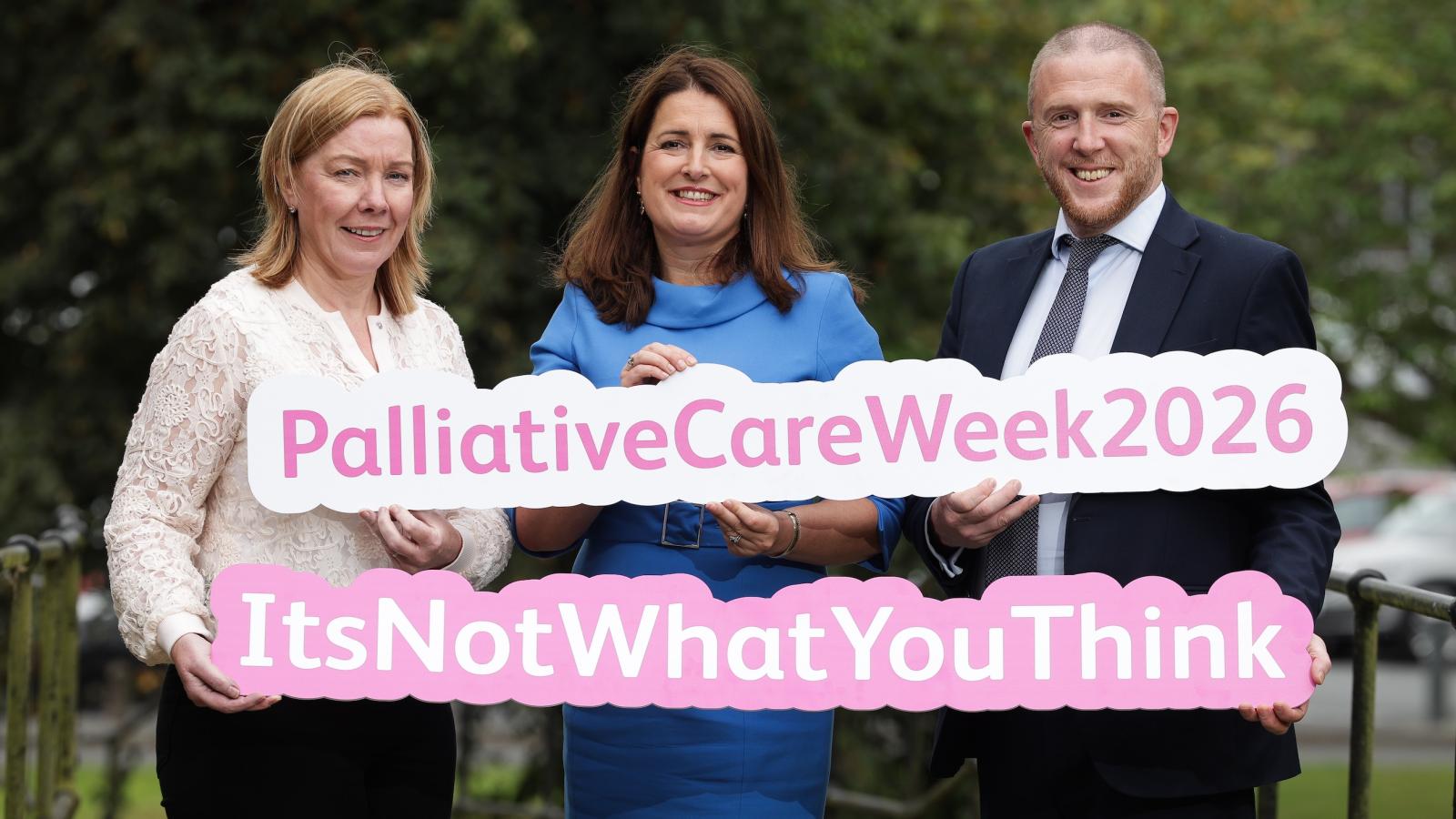
During Palliative Care Week 2026, which runs from 4–12 September, the Public Health Agency (PHA) is encouraging people across Northern Ireland to learn more about what palliative care is and the benefits it can bring for people and those important to them.
This year’s theme, ‘It’s Not What You Think’, aims to break down the stigma and fear associated with palliative care and support people to express what matters to them, including their wishes for future care.
Sally Convery, Nurse Consultant for Palliative Care at the PHA, said: “Palliative care is an approach that improves the quality of life of people and those important to them facing challenges associated with life-limiting illness such as cancer, cardiovascular disease, chronic respiratory conditions, dementia, frailty and neurological disorders.
“It can be provided alongside active treatments and focuses on what matters most to the person and those important to them, helping to manage symptoms and providing practical, emotional, social and spiritual support. Its aim is to enable people to live as well as possible for as long as possible.”
Palliative care also plays an important role in supporting Northern Ireland's Care Closer to Home agenda and the wider HSC Reset programme. By providing timely, person-centred support within people's homes, care homes and local communities, palliative care helps individuals receive care in the setting that best meets their needs and preferences. Furthermore, early access to palliative care can reduce avoidable hospital admissions, support more coordinated care across services, and enable people to maintain independence and quality of life for longer, ensuring they receive the right care, in the right place, at the right time.
Sally continued: “Palliative Care Week is about making space for conversations many of us naturally avoid. Whilst talking about these issues can feel difficult, planning ahead and having open conversations about wishes and preferences can provide reassurance for people and those important to them. This can help ensure care reflects personal values and that wishes are known and respected, while also helping health and social care services respond more effectively when it matters most.”
“We are encouraging people to think about what palliative care is, how it can support people and their loved ones, and the importance of planning ahead. By discussing wishes, values and preferences early, people can feel more in control and help ensure that their future care reflects what matters most to them.
“We often hear the words ‘palliative care’ and assume it means someone is coming near to the end of their life, but it is much broader than this. We want people living with life-limiting illness and those important to them to understand the wide range of physical, social, spiritual and emotional supports available that could make their daily routines much more comfortable.
“We encourage people of all ages to talk with loved ones about what matters most to them, and record their wishes for future care. By planning ahead, people are more likely to receive care in line with their preferences, avoid unwanted or unnecessary interventions, and experience greater dignity and comfort towards the end of their life.”
People are encouraged to visit www.thepalliativecarehub.com to learn more about palliative care, with resources available for adults, children, family carers and health and social care professionals.
Photo Caption:
Launching Palliative Care Week 2026, ‘It’s not what you think’ are L-R: Sally Convery, Nurse Consultant for Palliative and End-of-Life Care at the Public Health Agency, Karen Charnley, CEO at the AIIHPC and Gearóid Cassidy, Director of Primary Care at the Department of Health.