
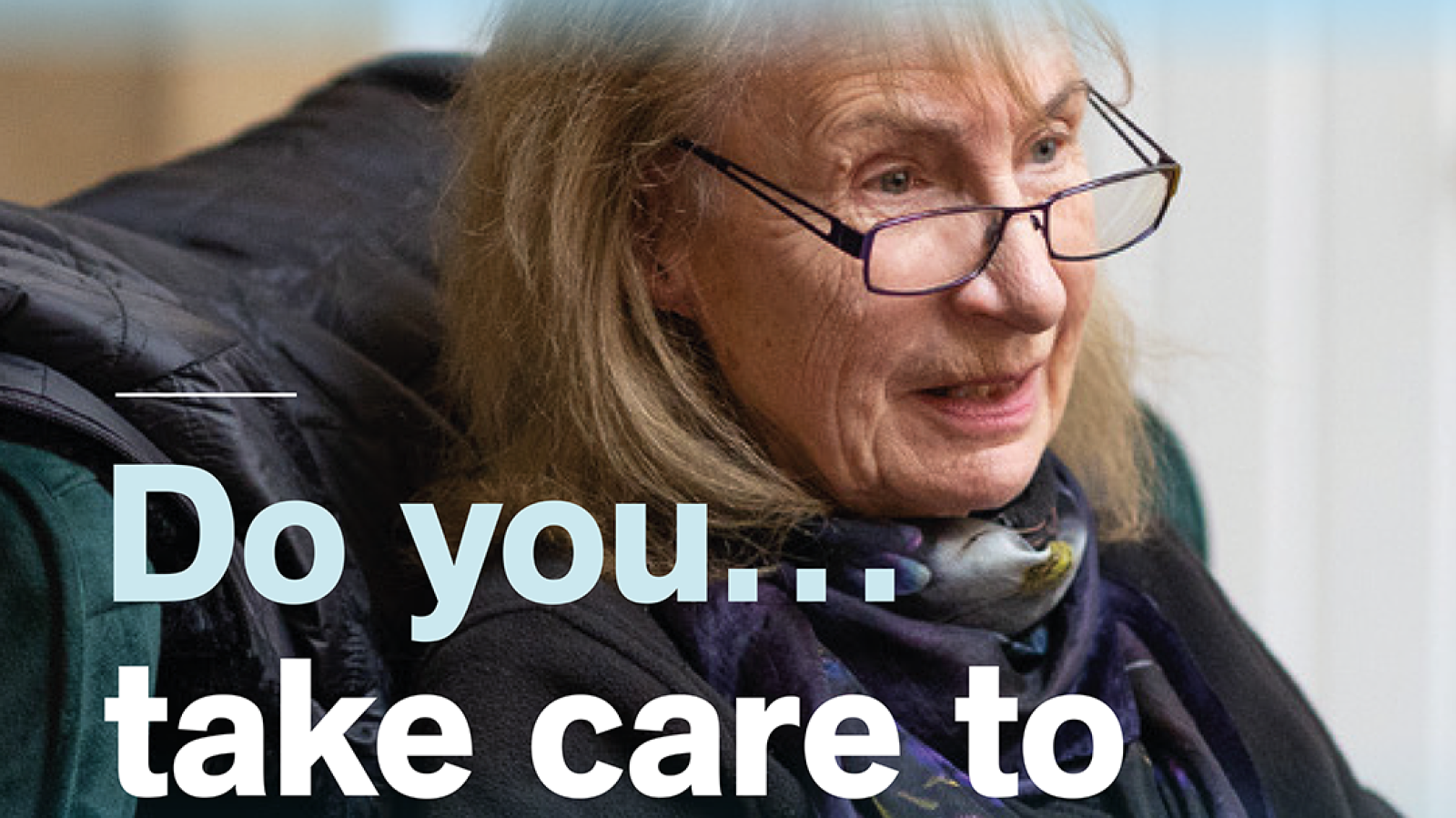
The Public Health Agency (PHA) is encouraging people across Northern Ireland to take simple steps to reduce their risk of falling and maintain their health, confidence and independence as part of Falls Prevention Week 2026.
Falls can happen to anyone, but the risk increases as we get older. A fall can have a significant impact on a person's physical health, confidence and ability to live independently. However, many falls can be prevented by making small changes to daily routines, staying active and creating a safer home environment.
Diane McIntyre, Strategic Lead for Ageing Well (Health and Social Wellbeing Improvement), said: "Falls are not an inevitable part of ageing. While the risk of falling can increase as we get older, there are many practical steps people can take to reduce their risk and continue living active, independent lives.
" Staying physically active, attending regular health checks, reviewing medications and making simple changes around the home can all help reduce the risk of falling.
"Falls prevention is everyone's business. Families, carers, healthcare professionals and communities all have an important role to play in supporting safer mobility and helping people remain active, connected and independent for longer."
Simple steps to help prevent falls:
Stay active and improve strength and balance
- Regular physical activity can improve strength, balance, coordination and confidence.
- Activities such as walking, strength exercises and balance training can help reduce the risk of falls.
- Aim to be active most days of the week.
Review your medications
- Some prescribed medicines, over-the-counter medicines and alcohol can affect balance, coordination and reaction times.
- Speak to your GP or pharmacist about regular medication reviews, particularly if you experience dizziness, drowsiness or unsteadiness.
Take care of your eyesight and hearing
- Regular eye and hearing checks can help identify issues that may affect balance and mobility.
- Keep prescriptions up to date and wear glasses or hearing aids as advised.
Make your home safer
- Keep walkways clear of clutter and trailing cables.
- Remove or secure loose rugs and mats.
- Ensure stairs, hallways and entrances are well lit.
- Clean up spills immediately.
- Consider handrails or grab rails where needed.
Choose appropriate footwear
- Wear well-fitting shoes with good grip and support.
- Avoid loose-fitting slippers or shoes that could increase the risk of trips and falls.
Look after your bone health
- Eating a balanced diet, including foods rich in calcium and vitamin D, can help maintain healthy bones.
- Speak to your GP if you are concerned about osteoporosis or bone health.
Recognise the warning signs
People should pay attention to changes that may increase their risk of falling, including:
- Feeling unsteady when walking
- Dizziness or light-headedness
- Changes in vision or hearing
- Muscle weakness
- Recent trips, slips or near misses
Diane concluded: “If you have experienced a fall, or are concerned about your balance or mobility, speak to a healthcare professional for advice and support.
“Falls Prevention Week aims to help people understand their falls risk or that of a loved one, recognise early warning signs, learn strength and balance techniques, know what to do following a fall and access reliable information and support.
“Together we can help people stay active, connected and independent for longer.”