What is a Pressure Ulcer?
A pressure ulcer (sometimes called a pressure sore or bedsore) is damage to the skin and underlying tissue caused by pressure, rubbing or stretching of the skin. Pressure ulcers most often develop over bony areas of the body such as the heels, hips, elbows, bottom and back of the head.
Pressure ulcers can happen to anyone, but people who are unable to move easily, are recovering from illness or surgery, or use certain medical devices may be at greater risk.
Why is pressure Ulcer Prevention important?
Pressure ulcers can be painful and distressing and may lead to infection, longer hospital stays and a reduced quality of life. Many pressure ulcers can be prevented through early assessment, regular movement, good skin care, adequate nutrition and hydration, and the use of appropriate equipment.
Preventing pressure ulcers is an important part of providing safe, high-quality care in hospital.
How can pressure ulcers be prevented?
Patients, families and healthcare staff all have a role to play in preventing pressure ulcers.
Key steps include:
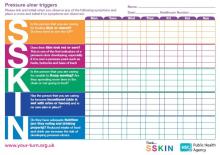
- checking the skin regularly for signs of damage
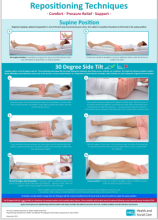
- changing position regularly where possible
- using specialist mattresses, cushions or equipment when required
- eating a healthy balanced diet
- drinking enough fluids
- keeping skin clean and dry
- reporting any pain, redness, swelling or changes to the skin as soon as possible.
Learning from Pressure Ulcers
Healthcare organisations review pressure ulcers that develop in hospital to understand what happened and identify opportunities for improvement.
This learning helps staff to:
- improve patient care
- identify common risk factors
- strengthen prevention practices
- improve education and training
- reduce the risk of similar incidents occurring in the future.
Learning and continuous improvement are important parts of patient safety.
How does the Public Health Agency support this work?
The Public Health Agency works with Health and Social Care Trusts and regional experts to support pressure ulcer prevention across Northern Ireland.
Through the Regional Inpatient Pressure Ulcer Prevention Group, the PHA:
- supports a consistent regional approach to pressure ulcer prevention
- promotes evidence-based practice
- shares learning and good practice between organisations
- supports education and training initiatives
- advises on quality improvement priorities
- supports the use of data and evidence to improve care
- contributes to the development of regional resources and guidance.
How does shared learning improve care?
By bringing together learning from hospitals and healthcare professionals across Northern Ireland, common themes and opportunities for improvement can be identified.
Shared learning helps organisations improve:
- skin care and pressure ulcer prevention practices
- staff education and awareness
- patient and family involvement
- use of equipment and support surfaces
- data collection and quality improvement programmes.
Working together helps ensure patients receive safe, effective and consistent care wherever they are treated.
The Regional Inpatient Pressure Ulcer Prevention Group
The Regional Inpatient Pressure Ulcer Prevention Group brings together healthcare professionals from across Northern Ireland, including Tissue Viability Nurses, senior nurses, allied health professionals, patient safety leads and other specialists.
The Group supports a regional approach to pressure ulcer prevention by:
- reviewing guidance and developing recommendations
- sharing learning and evidence
- supporting education and training
- advising on quality improvement initiatives
- promoting consistent practice across Health and Social Care services.
How can patients and families help?
You can help to prevent pressure ulcers by:
- changing position regularly if you are able
- telling staff if you feel uncomfortable or sore
- checking your skin regularly
- using specialist equipment as advised
- eating well and drinking enough fluids
- informing staff if you notice redness, swelling, blisters or changes in the skin.
If you have any concerns about your skin, speak to a member of your healthcare team.
Pressure ulcers resources
This leaflet provides information on pressure ulcers, how they develop and the steps patients and carers can take to prevent them.