
Who is this page for?
This page is for anyone looking for information about preventing accidents and making their home safer.
While anyone can experience an accident at home, some groups are more vulnerable, including:
- young children
- older people
- people with disabilities
- people with long-term health conditions
- people living alone.
Preventing accidents at home
Accidents in the home are a leading cause of preventable injury. Children under five, older people and vulnerable adults are at increased risk, but many accidents can be prevented through simple safety measures and greater awareness of hazards in and around the home.
Most accidents happen in and around the home and can affect people of all ages. Many of these accidents are preventable through simple safety measures and awareness of potential hazards.
Home Accident Prevention aims to help individuals and families create safer home environments, reduce the risk of injury, and promote health and wellbeing.
Falls
Falls can happen on stairs, in bathrooms, or as a result of slips and trips around the home.
To help reduce the risk:
- keep floors clear of clutter
- ensure good lighting throughout the home
- use handrails on stairs
- clean up spills immediately
- secure loose rugs and carpets
Burns and scalds
Hot drinks, cooking appliances, and bath water can cause serious injuries.
To help prevent burns and scalds:
- keep hot drinks away from children
- turn saucepan handles away from the edge of the cooker
- check bath water temperature before use
- keep matches and lighters out of reach of children
Poisoning
Medicines, household cleaning products and chemicals can be harmful if swallowed or used incorrectly.
Tips to prevent poisoning:
- store medicines and chemicals safely and securely
- keep products in their original containers
- read labels and follow safety instructions
- dispose of unwanted medicines safely.
Fire safety
Fires can spread quickly and have devastating consequences.
Simple precautions can help reduce the risk of fire:
- test smoke alarms regularly
- Never leave cooking unattended
- Keep exits clear
- Develop and practise a family escape plan
- Avoid overloading electrical sockets
Home safety checks
Local councils provide free Home Safety Checks for people aged 65 and over, as well as vulnerable adults. These checks offer practical advice on a range of home safety issues and may include the provision of free safety equipment, subject to eligibility and availability.
Contact your local council and ask for the Home Safety Team to find out about support available in your area.
Click here to find your local council in Northern Ireland | nidirect.
Making your home safer
Regularly checking your home can help you identify potential hazards before they can cause an accident.
Simple changes can make a big difference:
- carry out regular home safety checks
- fit smoke and carbon monoxide alarms
- use safety equipment where appropriate
- keep emergency contact numbers accessible
- seek advice if you are concerned about hazards in your home.
How the PHA helps
The Public Health Agency works in partnership with local councils and community partners across Northern Ireland to promote home safety, reduce preventable injuries and support people to live safely and independently at home.
Home safety resources
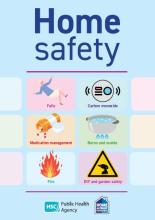
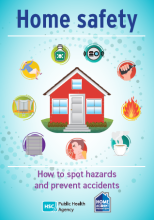
More accidents happen in the home than anywhere else. There are countless home safety hazards – being aware of them is the first step to preventing accidents.
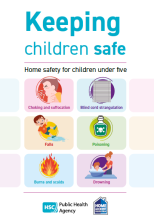
This leaflet identifies hazards in the home environment for children under 5 and offers tips on how to minimise risks and prevent accidents.