
Who is this page for?
This page is for parents, carers and families, anyone caring for a baby or child, professionals supporting children and families.
What is child development?
Child development is the process of learning and growing from birth through childhood. Every child develops at their own pace, building skills in movement, communication, learning, social interaction and emotional wellbeing.
How can I support my child's development?
Simple everyday activities can make a big difference:
- Talk, read and sing together
- Play and explore
- Encourage learning and curiosity
- Spend quality time together
Developmental milestones are skills that most children achieve as they grow. These can include:
- Moving, crawling and walking
- Talking and understanding language
- Playing and interacting with others
- Learning and problem-solving
- Managing emotions and behaviour
Remember that children develop at different rates. Reaching a milestone slightly earlier or later than others is often part of normal development.
Why is play important?
Play helps children learn about themselves and the world around them.
Through play, children can:
- Develop communication skills
- Learn to solve problems
- Build confidence and independence
- Strengthen social skills
- Improve their physical development
- Express emotions and creativity
Simple activities at home, outdoors or in the community can all support healthy development.
What can I do to support my child's emotional wellbeing?
Children thrive when they feel safe, loved and supported.
You can help by:
- Building positive relationships
- Providing comfort and reassurance
- Encouraging your child to express their feelings
- Creating predictable routines
- Praising effort and achievements
- Supporting friendships and social opportunities
Strong emotional wellbeing helps children develop confidence, resilience and independence.
When should I seek advice?
If you have any concerns about your child's development, talk to your Health Visitor or GP. Early advice can help ensure your child gets the support they need.
Where can I find more support?
Your Health Visitor can provide guidance, reassurance and signposting to services and resources that support your child's development and wellbeing.
Developmental milestones
Children reach developmental milestones at different ages. Learn what to expect from birth through the early years and when to seek advice if you have concerns.
Resources:
- Birth to Five
- Personal health child record
- Screenings 3+
Speech, language and communication
Speech, language and communication skills begin developing from birth and are essential for learning, building relationships and expressing thoughts and feelings.
The Public Health Agency supports programmes that help children develop these skills from an early age, including Sure Start Language Programme, which provides practical support for families and early years settings.
Sure Start Language Programme
The Sure Start programme supports young children and their families, living in disadvantaged areas in Northern Ireland. The programme provides support to parents from pregnancy until their child’s fourth birthday. With Sure Start's ongoing support, a child can flourish at home, at school and beyond.
Sure Start projects have access to speech and language therapists who support children, families and project staff in relation to speech, language and communication.
Speech, language and communication provision within Sure Start is delivered through a Universal, Targeted, Specialist model, aiming to promote a public health approach, reduce inequalities and empower communities. The Public Health Agency has responsibility for coordinating and implementing an evidenced based and outcome focused delivery of speech, language and communication across all Sure Starts.
Video resources to support speech, language and communication in early years:
Child development and additional needs resources
- Changing Time is Chatting Time videos
- Anytime is Chatting Time - Smile, talk, laugh and sing anytime throughout the day and make a difference for your toddler that will last a lifetime.
Additional needs
Some children may need additional support with their development, learning, communication or physical needs. Early identification can help children and families access the right advice, assessment and support. If you have any concerns, speak to your health visitor, GP, or another healthcare professional.
Resources:
- Additional needs and support | HSC Public Health Agency
- Family and community support | HSC Public Health Agency
- The Early Intervention Support Service for families with children 0-18 years | HSC Public Health Agency
Children's Community Nursing (CCN) Service
Key PHA publications
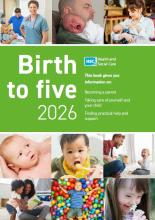
This book provides information on caring for children up to five years old and contact details for useful organisations. It is available to new parents resident in Northern Ireland through primary care services (antenatal clinics, GPs or health visitors).
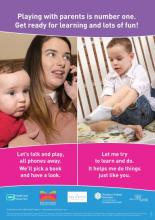
How the Public Health Agency (PHA) helps
The PHA works with health, education and community partners to support children to have the best start in life by:
- promoting healthy child development
- delivering and supporting a range of evidence-based programmes that promote and support healthy child development, strengthen family relationships and improve outcomes for children and young people.
- Family Nurse Partnership - supporting first-time parents until their child reaches two years of age.
- supporting speech language communication provision within Sure Start
- providing evidence-based information on resources for parents and carers
- promoting early identification and intervention
- working with partners to improve outcomes for children and additional needs