Who is this page for?
This page provides information for people aged 12 and over with diabetes, their families and carers, and health and social care professionals.
Why diabetic eye screening is important?
Diabetes can damage the small blood vessels in the retina at the back of the eye. This is known as diabetic retinopathy. It its early stages, retinopathy may not cause any symptoms, but regular screening can detect changes early and help prevent sight loss in the majority of people with diabetes.
The aim of screening is to reduce the possible complications of diabetic retinopathy, which can cause sight loss and blindness. It is among the most common causes of blindness in people of working age.
Who is eligible?
You will usually be invited for diabetic eye screening if you:
- are aged 12 years or over
- have a diagnosis of diabetes
- are registered with a GP in Northern Ireland
Primary care practices have registers of patients with diabetes and this information is used to identify the people who need to be invited for screening. People eligible for screening will be invited initially once a year.
What happens at your appointment?
At the screening appointment:
- eye drops may be used to widen (dilate) your pupils 15 minutes before the test; if this is necessary, it will be discussed with you at the appointment.
- you will have two or more photographs taken of each eye using a special camera
For further information please see the information leaflets.
Important to remember
Diabetic eye screening is different from a routine sight test. Even if your screening results are normal, you should continue to have regular examinations with your optometrist to check your vision and overall eye health.
For appointment enquiries
The Diabetic Eye Screening Programme (DESP) Regional Centre is based in Forster Green Hospital, but screening is carried out across Northern Ireland at static sites.
The appointment booking office is at Belfast Trust and can be contacted on 028 96 157600.
How the PHA supports diabetic eye screening programme
The Public Health Agency works with HSC partners across Northern Ireland to:
- deliver a quality-assured diabetic eye screening programme
- provide information and resources to support informed choice
- promote early detection to help reduce avoidable sight loss
- support healthcare professionals in delivering the programme
Publications for public and health professionals
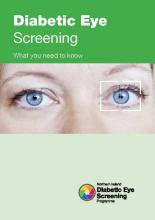
People with diabetes are invited to attend the Diabetic Eye Screening Programme and the ‘What you need to know’ leaflet is sent with the invitation. The screening service is free and part of their overall diabetes care.
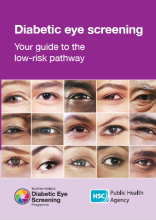
This leaflet outlines the 'low-risk pathway' for those deemed at low risk of developing diabetic retinopathy between screens and can move to screening every two years instead of annually.