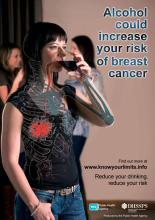
Early detection saves lives: Be UV aware, protect your skin and check for changes
Skin cancer is the most common cancer in Northern Ireland, so this Sun Awareness Week [11-17 May], the Public Health Agency (PHA) and Cancer Focus Northern Ireland are encouraging everyone to protect their skin from UV damage.
This information booklet will help you recognise the signs and symptoms of cancer, and make lifestyle changes to reduce your risk of cancer.
If you are receiving chemotherapy or steroids, your immune system may be slightly weaker than usual. This may make it harder for your body to fight off infections. Make sure you are up to date with all the vaccines you are eligible for.
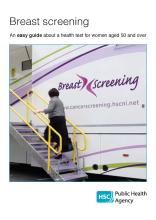
This leaflet offers a guide to breast screening for people with a learning disability. It explains what breast cancer is, highlights the risks and benefits of breast screening, and describes the process of being screened.It also outlines how to check your breasts in between screening appointments and what to do if you find anything unusual.
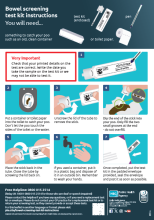
The Northern Ireland Bowel Cancer Screening Programme introduced quantitative faecal immunochemical testing (FIT) as the primary bowel cancer screening test in January 2021. Quantitative FIT is more sensitive than the existing test.
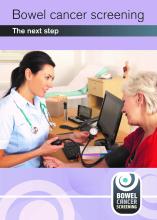
This leaflet provides information on further investigations participants may require, including colonoscopy.
The Northern Ireland Bowel Cancer Screening Programme is introducing quantitative faecal immunochemical testing (FIT) as the primary bowel cancer screening test in January 2021. Quantitative FIT is more sensitive than the existing test, simpler to carry out and requires only one sample rather than three. In other parts of the UK introducing FIT has resulted in an increase in screening uptake.

Displaying 1 - 13 of 13