
The Public Health Agency (PHA) is aware of the meningitis outbreak recently reported in South East England. The UKHSA is leading the response to the outbreak and there is no increased risk to the population in Northern Ireland. However, it is important for everyone to be aware of the signs and symptoms of meningitis and the steps to take if they are concerned.
Meningitis is a bacterial infection which can infect both the brain and or cause general septicaemia.
Dr Maeve Middleton, Specialty Registrar in Public Health Medicine at the PHA said: “Meningitis can progress very quickly, and its impact can be devastating, early prompt actions with seeking medical care are key.
“It can affect anyone, but is common in babies, young children, teenagers and young adults. University students and young adults are among the groups at increased risk because meningitis bacteria can spread more easily in settings where people live, study and socialise closely together.
"We urge students, staff and families to remain vigilant for the signs and symptoms of meningitis and act fast if they suspect they may have it." Dr Middleton said, that if anyone is unusually unwell, with an unusual headache or other symptoms it is better to confer with your GP.
Symptoms of meningitis develop suddenly and can include:
- a high temperature (fever) over 37.5C (99.5F)
- being sick
- a headache
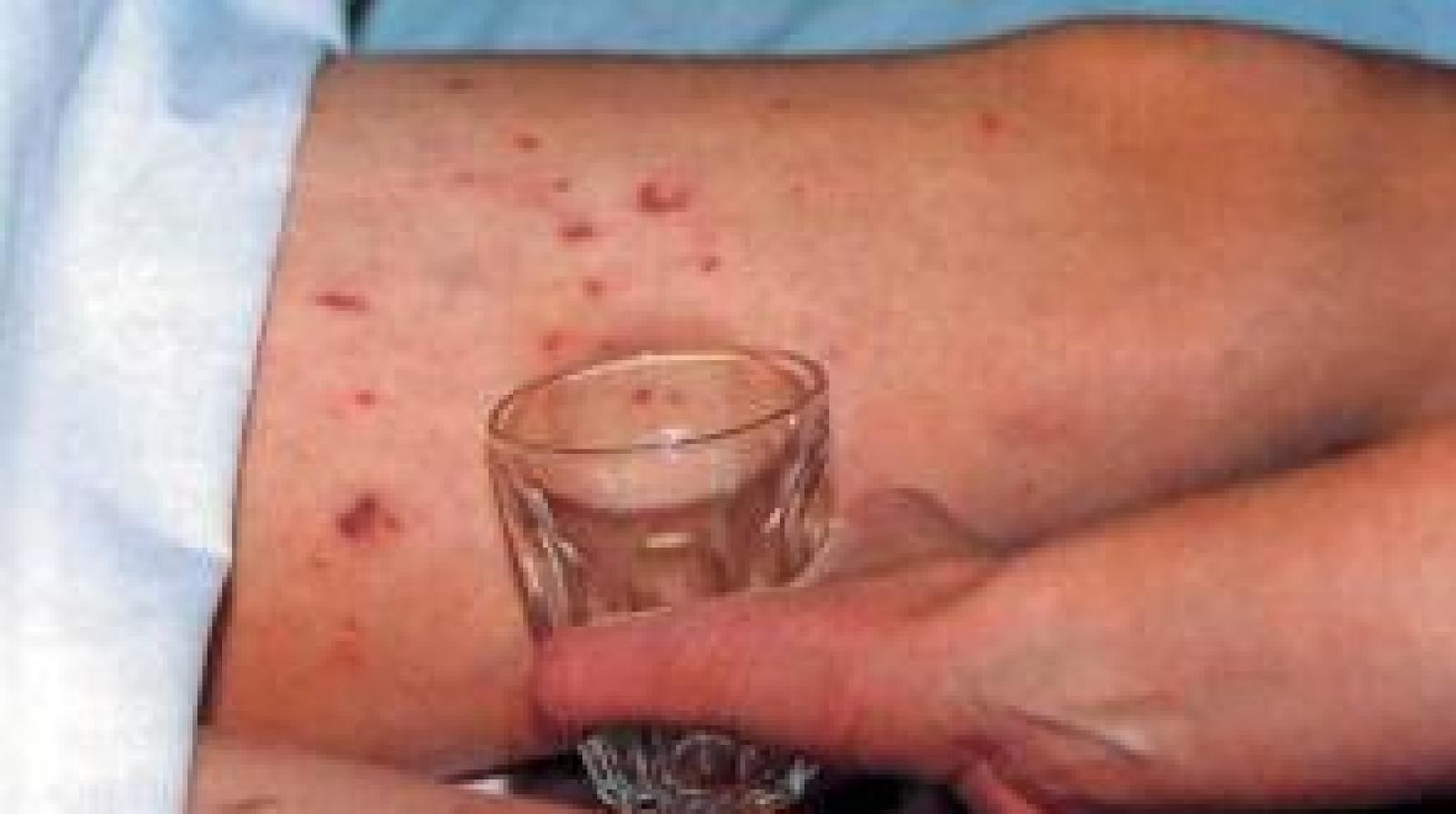
- a blotchy rash that doesn't fade when a glass is rolled over it (this won't always develop)
- a stiff neck
- a dislike of bright lights
- drowsiness or unresponsiveness
- seizures (fits)
Babies may also:
- refuse feeds
- be agitated and not want to be picked up
- have a bulging soft spot on their head (fontanelle)
- be floppy or unresponsive
- have an unusual high-pitched cry
- have a stiff body
These symptoms can appear in any order and some may not appear.
Vaccination:
Dr Maeve Middleton concluded: “There are five main groups of meningococcal bacteria that can cause meningitis and septicaemia – A, B, C, W and Y.
“In Northern Ireland, young babies receive the Men B vaccine as part of the childhood immunisation programme. The MenACWY vaccine helps protect young people against four different causes of meningitis and septicaemia: meningococcal groups A, C, W and Y disease. You only need one dose of the vaccine, it is given as a single injection in the upper arm. Pupils in year 11 are automatically offered the vaccine in school by the school health team, with a second chance to have it again in year 12, if they missed out the first time.
“If you’re aged 25 or under, at university for the first time and haven’t yet had the MenACWY vaccination, you should ask your GP for the vaccine.
“If your child has missed a vaccination, please contact your GP practice to book an appointment as soon as you can to make sure they have maximum protection against disease.”
Key resources:
- To find out more about childhood vaccines see www.pha.site/immunisation-vaccines
- Further information on meningitis can be found at www.pha.site/meningitis-nidirect