
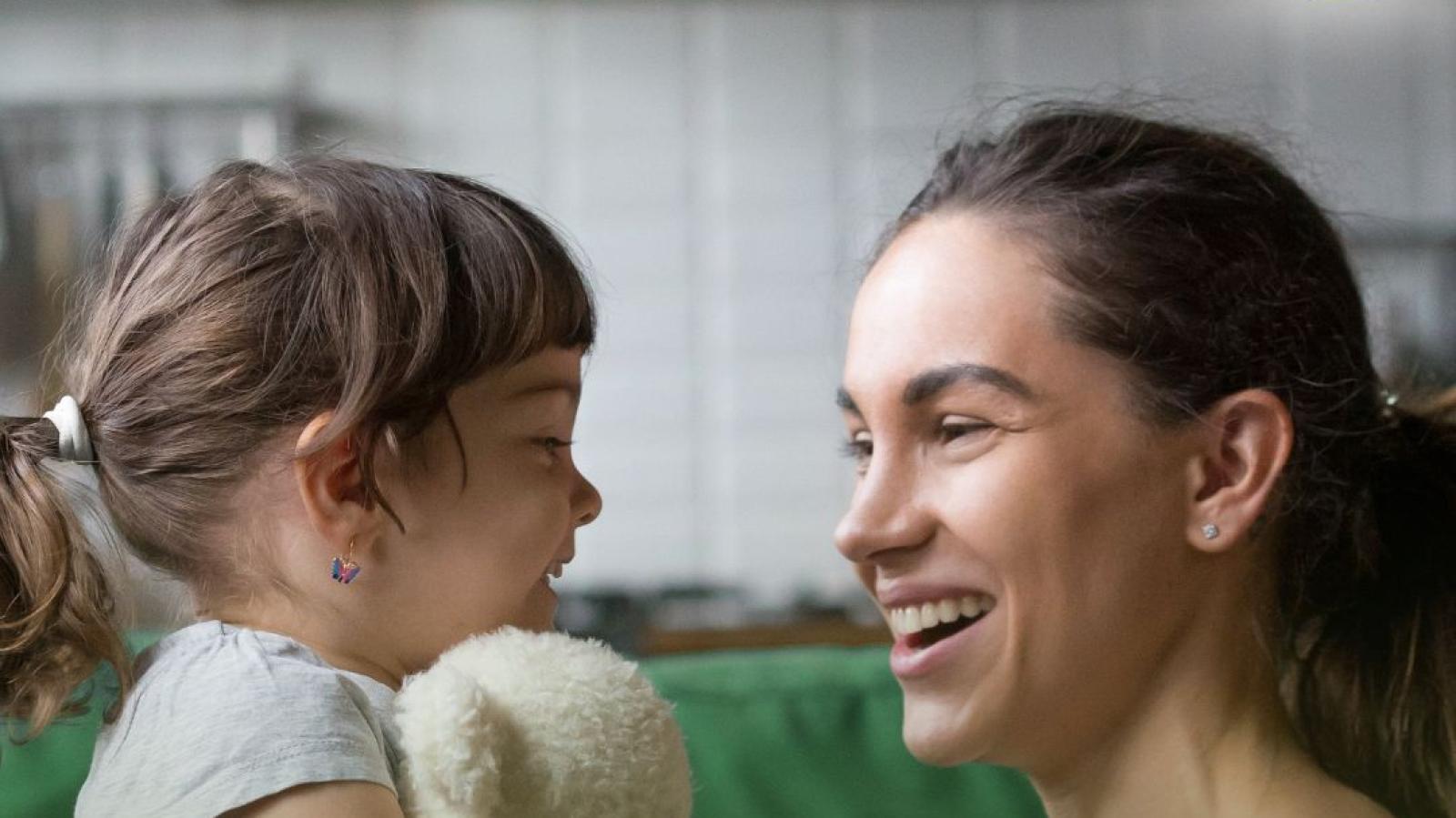
The Public Health Agency (PHA) is urging parents, carers, schools and communities to play an active role in supporting children and young people during Children’s Mental Health Week (9-15 February).
This year’s theme, “This is My Place,” highlights the importance of belonging and connection for mental wellbeing with families, schools and communities encouraged to create inclusive and nurturing environments where children and young people feel they belong.
Having a safe and supportive environment is essential for emotional resilience and the PHA is encouraging everyone to take steps that help children feel valued and understood.
Dr Denise O’Hagan, Assistant Director for Strategic Public Health at the PHA, said: “Supporting children and young people to maintain good mental health starts with listening, this helps to make the child feel important and valued. Showing an interest in their lives, taking time to notice changes in mood or behaviour, and reassuring them that you are there for them and that help is available, if needed, can make a real difference.
“Children and young people can face many challenges and while most are fine with these pressures, some find it hard to cope. If a child is feeling distressed or troubled, they may express this in a number of ways, such as behaving out of character, not being able to concentrate, not sleeping well, becoming fearful of things, or finding things at home difficult, and this can vary depending on the age of the child.”
Signs that children and young people might be struggling with their mental health include:
- unable to concentrate;
- behaving out of character;
- not sleeping, having nightmares, wetting the bed;
- becoming disruptive in class, at home or elsewhere;
- getting unusually fussy about food, cleanliness, routines or developing eating problems;
- having trouble making friends or finding relationships at home difficult;
- becoming fearful and resentful;
- getting into fights and becoming aggressive;
- trying to harm themselves or others;
- alcohol and/ or drug use.
Denise continued: “Children often turn to adults they trust, such as parents, teachers, sports coaches or youth leaders, when they need support, so it’s important to be available and ready to listen. Young people often turn to their friends for support, so it is important that friends know how to support each other and involve trusted adults when necessary.
“The PHA also encourages people of all ages to be aware of the things that are important for our mental health and wellbeing. Using the ‘Take 5 steps to wellbeing’ daily – connecting with others, staying active, learning new skills, noticing the world around you and giving to others – alongside getting enough sleep and eating a balanced diet can help maintain and improve our wellbeing.”
If you are worried about a child speak to a GP who can offer advice, and if necessary, make referrals to other services to support the child and/ or the family. School professionals may also be able to identify and help resolve problems, provide extra support and make allowances for the child’s needs.
There are things everyone can do to support the mental health and wellbeing of children and young people at every age and you can visit www.MindingYourHead.info to find resources and practical advice.