
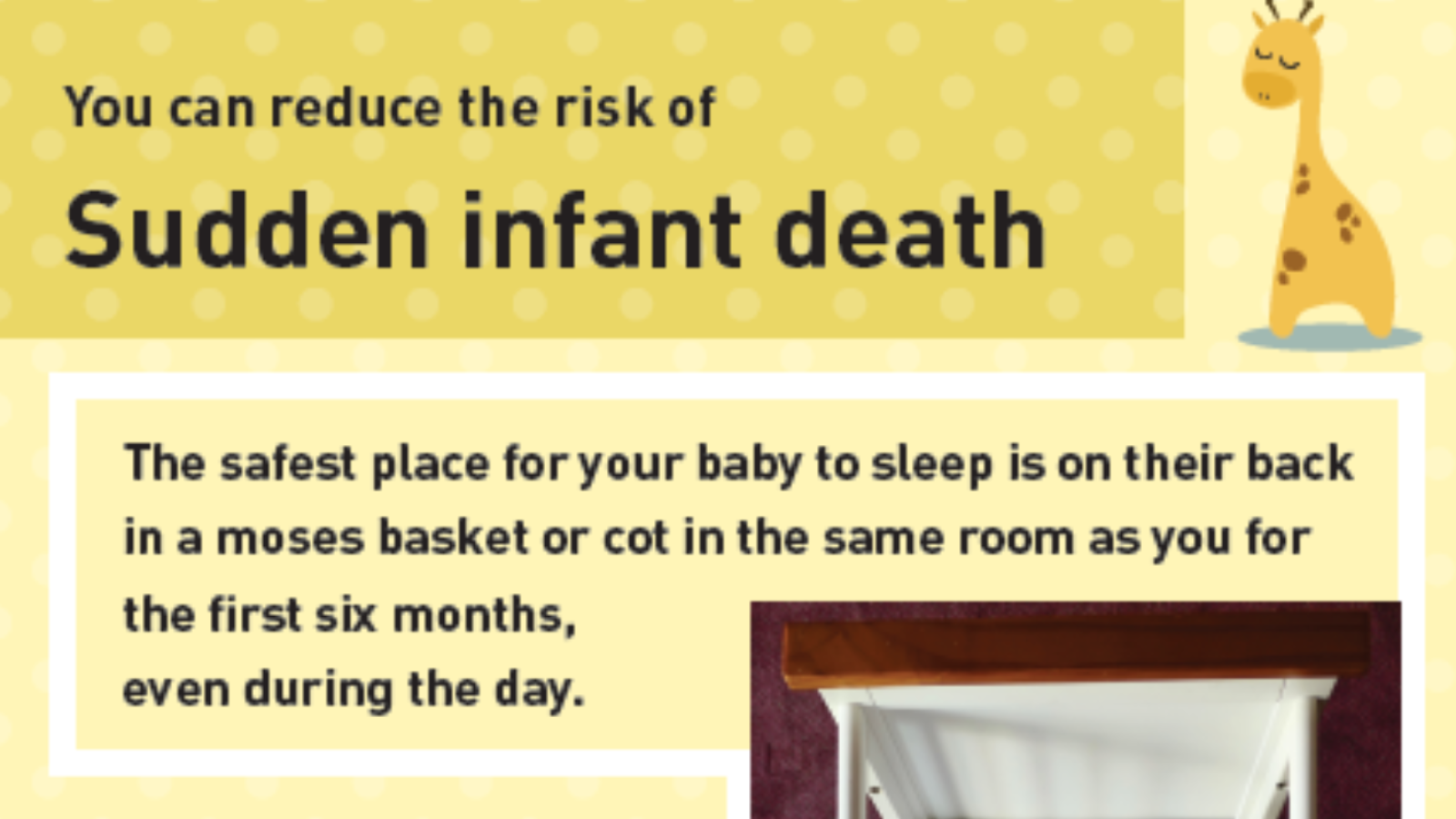
As temperatures drop and routines change during the festive period, the Public Health Agency (PHA) is reminding parents and guardians that following safer sleep advice is essential to reduce the risk of sudden infant death.
Emily Roberts, Director of Nursing at the Public Health Agency, said:
"The festive period can bring extra challenges – colder weather, busier homes and alternative sleeping arrangements. While it’s natural to want to keep your baby warm and comfortable, it’s important to remember safe sleeping advice. Adding extra blankets or sharing a bed for warmth can increase risks.
“The safest place for your baby to sleep for the first six months is in their own cot or Moses basket in the same room as you, even for naps during the day. Always place them on their back with their feet at the bottom of the cot.
“If you’re visiting family or travelling over the holidays, make sure your baby still has their own safe sleep space. If using a travel cot, check it’s clear of loose items and set up correctly. Try to avoid bed sharing or co-sleeping, as having their own space is the safest way for your little one to sleep. The risk of sudden infant death increases when bed sharing, especially if you or your partner have been drinking alcohol, smoked, or taken drugs that make you drowsy — and with the festive party season being a time when alcohol is often part of celebrations, taking extra care is important.”
If you do plan to share a bed with your baby, or if it happens unplanned, please ensure you:
- Place your baby on their back in a clear, flat sleep space
- Keep pillows and adult bedding away from your baby – to avoid obstructing breathing or over-heating
- Do not leave your baby alone in an adult bed
- Make sure your baby cannot be trapped, wedged or fall out of bed or get trapped between the mattress and wall
- Do not have other children or pets sharing the bed as this may lead to suffocation or over-heating your baby.
A significant number of infants who die as a result of sudden infant death are found with their head covered by loose bedding. Keep all loose items – including adult duvets, soft toys, pillows or other items that could obstruct your baby’s breathing or cause them to overheat away from your baby. If your baby is unwell with a cold or fever, they may already be warmer than usual. Reduce layers rather than adding more, and never overwrap. If you’re concerned about your baby’s health, seek medical advice immediately.
Emily added:
"Babies are unable to regulate their temperature like adults, so overheating is dangerous. Research shows it’s safer for babies to be slightly cool than too warm. If you think your baby is too warm, check the back of their neck—not their hands or feet—to see if they’re comfortable and adjust room temperature, sleepwear and bedding if needed.
“Simple steps can prevent tragedy. Make them part of your routine this winter—whether at home or staying elsewhere. It’s also important that anyone looking after your baby knows this advice, so share it with family and friends. If you have any questions, talk to your health visitor—they’re here to help.”
Please remember:
- Sheets and blankets should be firmly tucked in (no higher than the shoulders) to avoid the risk of your baby’s head becoming covered by loose bedding. Babies’ heads are an important way for them to lose heat and prevent them from becoming overheated.
- Duvets should not be used for babies under 12 months. If you think your baby is cold, add an extra blanket or layer of clothing to your baby, unless using a sleeping bag.
- If you are using a baby sleeping bag, do not be tempted to add extra blankets on top of this. Choose a different tog for the different seasons. If you think your baby is cold add an extra layer of clothing. Check the manufacturer’s guidelines for the baby sleeping bag that you choose.
- Never sleep on an armchair or sofa with your baby. This is particularly risky.
- Never ever allow anyone who has been smoking, drinking or taking drugs (including medication) or is feeling overly-tired to co-sleep with your baby.
- A room temperature of 16-20°C – with light bedding or a lightweight, well-fitting baby sleeping bag fitted with neck and armholes, and no hood – is comfortable and safe for sleeping babies.
- Never put pillows, loose blankets, cot bumpers or sleep positioners in your baby’s cot.
For further information on safer sleeping, visit www.pha.site/safersleepingadvice