Thursday 11 December is Organ Donation Discussion Day, when the Public Health Agency is encouraging everyone to consider their decision around organ and tissue donation, and to share this decision with their loved ones.
As Christmas approaches, it is often a time to catch up with friends and family and our minds turn to gifts, but there’s one very special gift that we could all consider – the ‘gift of life’ through organ donation. Each year, hundreds of lives across the UK are saved and transformed by organ and tissue donation and transplantation.
Organ donation is a most precious gift, and the selfless act of donors and their families is at the heart of organ donation. Last year in Northern Ireland, 44 amazing families supported the gift of organ donation, which enabled 123 life-saving transplants across the UK. Overall, 60 lives in NI were saved through a deceased organ transplant last year, and 62 through living donation. In the first seven months of this year (1 April – 31 October), there were 33 deceased donors, whose gift enabled 97 life-saving transplants.
This is testament to the positive attitudes of people here when it comes to organ donation. Support for organ donation remains constant and high at 90%, and we now have 60% of people registered on the NHS Organ Donor Register, the highest of any UK region, increasing from 51% in 21/22. Over 1.1m people have registered as an organ donor, an increase of over 20,500 since end March 2025.
Life-saving conversations about organ donation are vital as there are around 155 people awaiting a transplant. Sadly, each year in Northern Ireland around 10-15 people die awaiting a transplant. Earlier this year, figures showed the transplant waiting list had reached its highest level ever recorded with 8,000 people in the UK actively waiting for a lifesaving transplant due to a shortage of donated organs. The stark reality is that only 1% of people will die in circumstances where donation is possible, meaning every donation is precious and every conversation could be lifesaving.
Aidan Dawson, Chief Executive of the Public Health Agency said:
“Signing the Organ Donor Register and ensuring that loved ones are aware of your decision, will leave your family certain about your wishes. Families will always be involved before organ donation goes ahead so letting them know your decision will help them at a very difficult time. 90% of families support organ donation when they are certain of a loved one’s decision, but when they are unsure this drops to just 50%. This Organ Donation Discussion Day, we encourage everyone to have this potentially life-saving conversation.”
Leaving loved ones certain of your decision is crucial. That’s because families will always be consulted if donation is a possibility, and they will be asked to support your decision. This helps to avoid missed opportunities for people waiting to receive a life-saving transplant.
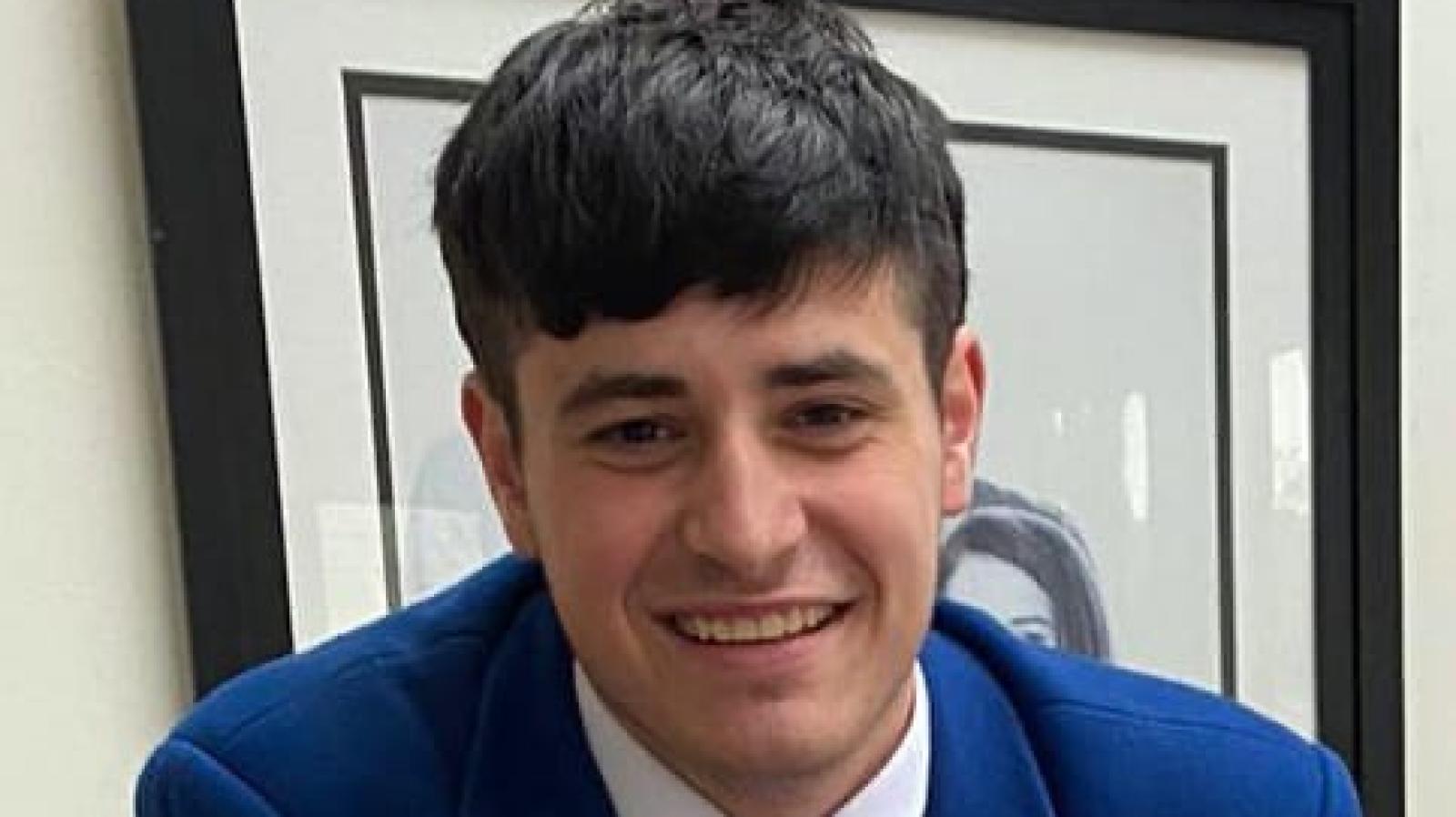
The McGarvey family from Belfast understand how important it is to talk about organ donation. When their son Fionntán sadly died in 2022, a prior conversation helped them make decisions at an incredibly difficult time. Fionntán’s donation saved the lives of 2 people awaiting a transplant and his mum told us:
“Fionntán died tragically in January 2022. He died in Intensive Care and at this most devastating time we were approached by the organ donation team. We knew Fionntán had made the decision to join the Organ Donor Register, he had done this in conjunction with his driving licence application. He had talked to me about it and had his card in his wallet. As a seventeen-year-old boy he had made this choice. When faced with the brutal reality of signing consent forms to allow our son's organs to be donated to others in great need, we knew what Fionntán wanted. That was all that mattered.
Following Fionntán's death and organ donation, we as a family have been involved with promoting education around organ donation. A branch of the We Are Donor's charity was set up in Fionntán's name within Queen's University. Education allows for conversations around organ donation. Having had this discussion will help guide families in the midst of grief when making their decision.”
Edel Livingstone, Lead Nurse from the NHS Blood and Transplant (NHSBT) NI Organ Donation Services team reinforced the importance of families being aware of a loved one’s decision:
“As a team of Specialist Nurses, we support families at an extremely difficult time. We see first-hand how the knowledge of a loved one’s decision to donate their organs after their death can help our families during end of life care discussions.”
The Public Health Agency is working with a range of partners to help share the message this Organ Donation Discussion Day, including the use of branded coffee cups across all HSC Trust coffee outlets on 11 December. That’s 10,000 coffee cups potentially generating 10,000 conversations.
Northern Ireland has an opt-out organ donation system. However, you can continue to register an opt-in decision on the NHS Organ Donor Register. This actively shows your support for organ donation and helps give your loved ones the confidence to support your decision.
For additional information please contact Catherine McKeown, Organ Donation Promotion Manager on 07917 514485 or catherinemckeown2@hscni.net
Photos: Fionntán McGarvey
Graphic: Organ Donation Discussion Day 4:5
Organ donation
- Someone in the UK will die today waiting for an organ transplant
- YTD in NI (1 April – 31 October):
- There have been 33 deceased donors (proceeding from 40 consents); with 15 of these consented under Dáithí’s Law
- 22 of the 40 consented donors were on the ODR and/or had expressed their decision
- 97 lifesaving transplants resulted from the 33 deceased donors (30 of these from donors consented under Dáithí’s Law)
- YTD consent rate is 66%
- There were 20 cases when a family did not support donation going ahead, 5 which went against an expressed opt-in decision
- Living donation: from 1 April to 30 September 2025, there have been 40 living donors and 37 patients in NI received a living donor transplant
- As of 30 September 2025, 60% of people in NI had signed the Organ Donor Register (1,102,865 / 58% to opt-in and 30,282 / 2% to opt-out)
- As of 18 November, there were 151 people in NI on the active waiting list
- In June 2023, the law around organ donation in Northern Ireland changed to an opt-out system. This means in the event that organ donation is a possibility after you die, it will be considered that all adults agree to being considered as an organ donor unless they choose to opt out or are in an excluded group. The best way to opt out is by registering a decision not to donate on the NHS Organ Donor Register and by letting loved ones know. Even with the change in law, the need for family conversation and awareness of each other’s decision remains vital, as families will continue to be involved before organ donation goes ahead.
- No one is automatically added to the NHS Organ Donor Register, unless you record a decision, no details will be held for you. You can opt-in, opt-out or change your decision at any time
- It is quick and easy to register your decision on the NHS Organ Donor Register. Call 0300 123 23 23 or visit www.organdonation.nhs.uk
- Anyone can join the NHS Organ Donor Register; age and medical conditions are not necessarily a barrier to donation
- Whatever you decide, it is important talk with your loved ones to give them the certainty they need to support your decision
- Families are always involved in organ donation discussions. You can make things easier for your family by telling them you want to happen.
- Only 50% of families agree to donation if they don’t know their loved one’s decision, but this rises to 90% if they know their loved one wanted to donate
- One donor can save or transform up to nine lives through organ donation and save and transform even more by donating tissue
- Each year in Northern Ireland around 10-15 people die while awaiting a transplant
- Only 1% of people die in situations where donation is possible (in hospital in specific circumstances), therefore every donation is precious
- 90% of people in Northern Ireland support organ donation
You can become a living donor:
Across the UK, more than 1,000 people each year donate a kidney or part of their liver while they are still alive to a relative, friend or even someone they do not know. The most commonly donated organ by a living person is a kidney. Part of a liver can also be transplanted from a living donor to help someone in need of a liver transplant.
NHS Blood and Transplant
NHS Blood and Transplant provides the organ donation service for the UK. They also provide donated tissues, stem cells and cord blood. They are an essential part of the NHS, saving and improving lives through public donation.