Northern Ireland Cancer Registry
The Northern Ireland Cancer Registry (NICR) is run under agreement between the Public Health Agency and Queen's University of Belfast .

The Northern Ireland Cancer Registry (NICR) is run under agreement between the Public Health Agency and Queen's University of Belfast .
 Neonatal Intensive Care Outcomes Research and Evaluation (NICORE) has been routinely collecting data on neonatal units in Northern Ireland since 1994. We use this data to monitor a number of key quality markers and to ensure consistently high standards of care so that all babies admitted to a neonatal unit in Northern Ireland will benefit. The NICORE database is an important source of information which allows:
NIMACH (Northern Ireland Maternal and Child Health) collects and analyses data in support of Clinical Outcome Review Programmes.
The Clinical Outcome Review Programmes (previously known as confidential enquiries), are designed to help assess the quality of healthcare, and stimulate improvement in safety and effectiveness by systematically enabling clinicians, managers and policy makers to learn from adverse events and other relevant data. The programmes have a key role in supporting local, continuous improvements to service quality.
During the first few weeks after your baby is born, they will be offered a blood spot screening test and hearing screening test. These tests form the Northern Ireland newborn screening programmes.
The aim of the cervical cancer screening programme is to reduce the number of women who develop cervical cancer and the number of women who die from it.
It tries to do this by testing as many women as possible, examining the test results and referring the women for further treatment if any early warning signs are present.
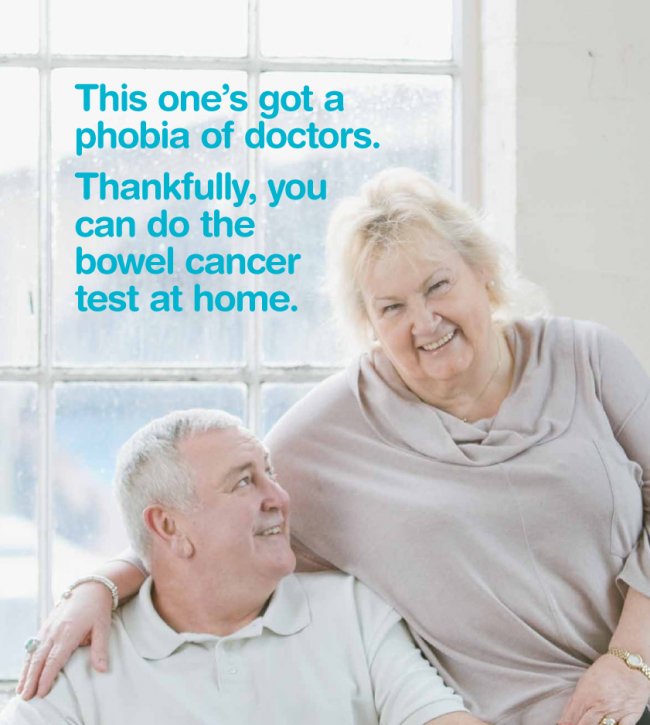 Bowel cancer is a significant cause of ill health and premature death.
The breast screening programme covers the whole of Northern Ireland. The programme invites women by GP practice every three years. A woman might be aged 50, 51 or 52 when she receives her first invite to attend – the first invitation will be before the age of 53.

In order to be invited women must ensure that their GP has their correct name and current address on their computer system.
In Northern Ireland all pregnant women are offered a screening blood test to check for hepatitis B, HIV, and syphilis infection and for rubella virus (german measles) susceptibility.
The blood test is part of the booking bloods offered at the women’s first antenatal appointment. The vast majority of women screened will not be infected, or be susceptible to the rubella virus, but for the very small number of those who are, the benefits of screening are substantial.
The most comprehensive source of data on sexually transmitted infections in Northern Ireland is provided by the five genito-urinary medicine (GUM) clinics in Belfast, Coleraine, Londonderry, Newry and Downpatrick.
Data are recorded on gender, age and male sexual orientation for certain infections. Area of residence is not recorded.
Surveillance arrangements for HIV/AIDS infection are based largely on the confidential reporting of HIV infected individuals to the Public Health England’s Centre for Infections in London.