This guidance is for health professionals who deal with adults or children with no functioning spleen or splenic dysfunction and includes a suggested schedule of immunisation.
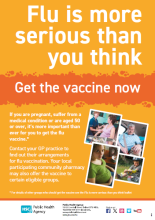
This poster encourages the general public to take up the offer of a flu vaccine if they are eligible.
Please note that the translations available to download below
This document gives advice and guidance for healthcare professionals on the 2025/26 seasonal influenza vaccination programme.
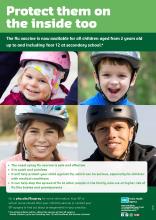
The leaflet supports the annual flu vaccination programme in Northern Ireland, which includes all children aged 2 to Year 12 of secondary school.
The annual flu vaccination programme includes all children aged 2 to Year 12 of secondary school (inclusive).
Seasonal influenza (flu)
Influenza or 'flu' is a respiratory illness associated with infection by influenza virus. Symptoms frequently include headache, fever, cough, sore throat, aching muscles and joints.
This leaflet explains why pregnant women should receive the flu vaccine and outlines how it also protects the unborn child.

This leaflet encourages uptake of the flu vaccine for those people in eligible groups.

Displaying 21 - 29 of 29