HSC Safety Forum
The HSC Safety Forum was created in 2007 to support HSC organisations as they strive to provide safe, high quality care. The HSC Safety Forum:

The HSC Safety Forum was created in 2007 to support HSC organisations as they strive to provide safe, high quality care. The HSC Safety Forum:
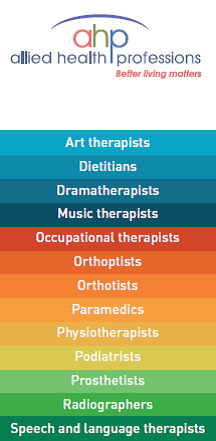
Nursing (AHP) is part of the Nursing and Allied Health Professionals Directorate, led by Emily Roberts.
In Northern Ireland, a range of screening programmes are available to support prevention, early diagnosis and healthier lives.
Screening is important because early detection of disease often produces better outcomes for patients. At this stage treatment may be more effective, avoiding significant ill health and in some cases premature death.
Screening programmes help identify potential health issues early, often before symptoms develop.
 As we face a difficult economic climate, inequalities may worsen over the coming period. For this reason, the PHA will redouble its efforts, working with partners in many different sectors, as well as directly with communities, to ensure we make best use of our collective resources.
The Health Protection Service plays an important role in keeping people in Northern Ireland safe from infectious diseases and environmental hazards. We do this through: